‘LA BONNE TERRE’
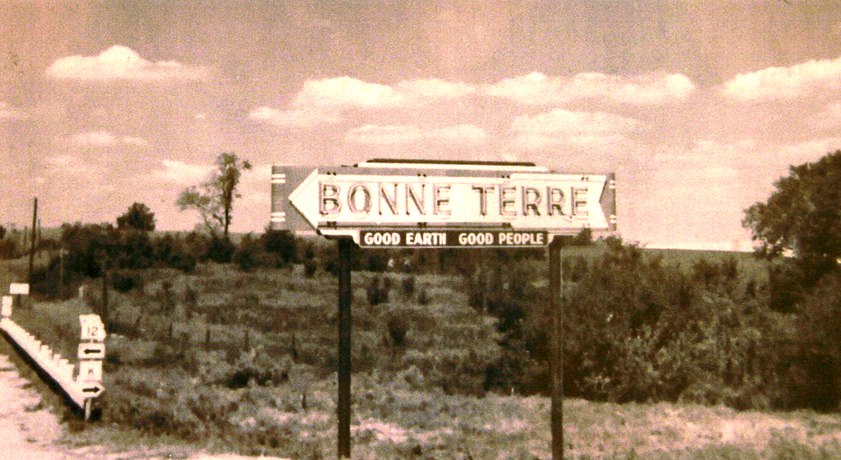
gOOD eaRTH, gOOD pEOPLE
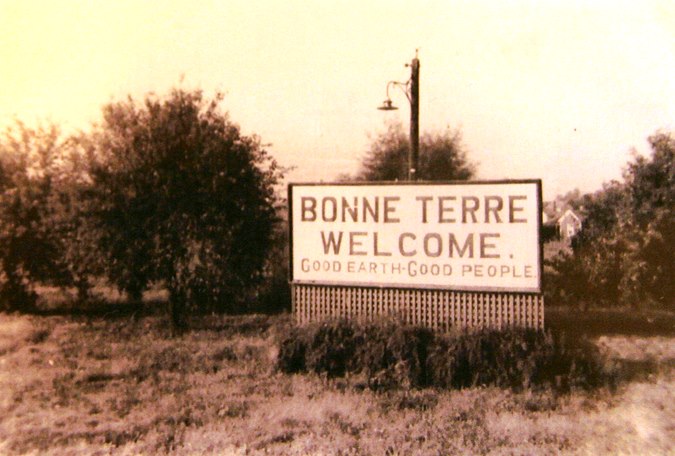
A RICH HISTORY AND A TOWN PRODUCED
Bonne Terre, Missouri, has a rich and intriguing history that dates back to the late 19th century. The town’s origins can be traced to the discovery of lead deposits in the surrounding wilderness. One of the key figures in the town’s history is Wyman Jones, who visited the site when it was mostly wilderness, located thirteen miles away from the nearest railroad. Despite the remoteness and the crude mining techniques employed at the time, Wyman recognized the potential of the mines and brought in various professionals to take charge at the site. The arrival of a group of Cornish miners, brought to the site by the mining company, marked a turning point in the development of Bonne Terre. J.C. Winslow served as the first superintendent, overseeing the construction of several buildings and a small mining camp composed of log residences. The most promising area for mining was along the banks of Turkey Run, where horizontal sheets of ore were discovered. Early mining techniques included uncovering the ore sheets, blasting them into blocks, and conveying them to the mill. The mill, a wooden structure equipped with a crusher and rollers, ground the ore into fine particles. A process known as “jigging” was then used to separate the ore from the embedded limestone before the lead was smelted into bars, or “pigs,” weighing seventy-two pounds. The bars of lead produced in Bonne Terre were then transported by wagon to the nearest railroad, where they were shipped to plants across the country, playing a significant role in the growth and economic development of the region. As time passed, Bonne Terre evolved from a mining settlement into a thriving town with a diverse community and a heritage deeply rooted in its mining history. Today, visitors to Bonne Terre can explore remnants of the town’s mining past, including the old mine shafts and structures left behind, providing a fascinating glimpse into the town’s historical roots.
CLICK TO JOURNEY ON THROUGH BONNE TERRE HISTORY…
The history of Bonne Terre is deeply intertwined with the discovery and mining of lead ore in the late 18th century. Explorers in the Mississippi Valley region found large quantities of lead ore in the central and southern sections of Missouri during that time. Although some small mining efforts were undertaken in the early 19th century, it was not until after the Civil War that large-scale mining efforts began. Dozens of mines were opened throughout central and eastern Missouri, and several large companies were formed in New York and Chicago to exploit the state’s mineral wealth. The abundant lead produced in Missouri was used in various new and improved applications, such as paint, glass manufacture, electric batteries, and sheets for hard metal uses.
The area around the present site of Bonne Terre was initially known by the French, who did limited surface mining in the 18th century. The mineral wealth of the region impressed these miners so much that they named it “La Bonne Terre,” or the “good earth.” Surface mining was later continued by property owner Anthony LaGrave before the Civil War, and the area’s considerable lead deposits became widely known. This tract of land became known as the “LaGrave Mines,” with LaGrave obtaining the property through U.S. and Spanish land grants. The potential of the LaGrave Mines led to the formation of the St. Joseph Lead Company on March 25, 1864, in New York City. The company was incorporated with a capital of one million dollars and, in April, purchased 946 acres of land from LaGrave for $75,000. J. Wyman Jones, the company’s president in 1865, organized the first efforts of large-scale mining at the site. His visit to the site, which was at that time largely undeveloped, marked the beginning of an era that would shape the history of Bonne Terre for years to come.
The early blooming of a town. Click here to read on…
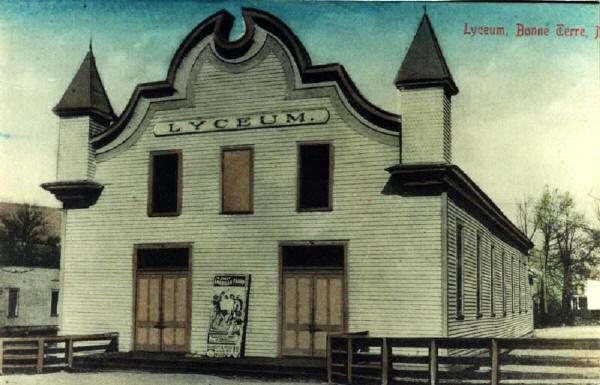
Surrounding the mining operation were several dozen residences and other buildings. These early structures, typical of mining communities of the time, were humble and temporary in nature. Sketches and photographs from this era portray a collection of one- and two-story frame and log dwellings, often accompanied by stables, barns, and wooden picket fences.
The Turning Point
The St. Joseph Lead Company, overseeing the Bonne Terre mines, saw a turning point with the arrival of Charles B. Parsons in 1867. Parsons, with prior mining experience in Massachusetts, was appointed as the superintendent at the mines. His leadership brought about the introduction of new machinery, the hiring of additional workers, and the overall streamlining of the mining operation. The company’s financial standing also saw improvement with the addition of H.N. Camp as treasurer in 1868. However, the most notable advancement for the Bonne Terre mining operation was the acquisition and utilization of a groundbreaking tool – the diamond drill.
The Diamond Drill
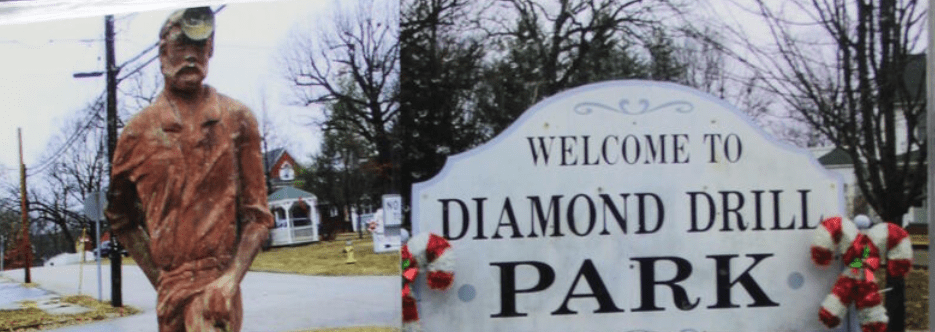
Invented in 1869, this innovative technology allowed for the extraction of core samples from depths of up to 500 feet. These core samples played a pivotal role in pinpointing the location of the best lead ores underground, significantly boosting the productivity of the mining operation. With the assistance of the diamond drill, large shafts were dug into the ground and seams of ore were diligently followed through the rock for hundreds of yards. This heightened productivity necessitated the construction of numerous new furnaces, mills, storage buildings, and other mill structures. The company also expanded its land holdings, procuring an additional 1,000 acres in the Bonne Terre vicinity believed to contain lead deposits.
The ore produced in the Bonne Terre mines was galena or lead sulphides, being in a combination with sulpher, and when separated was about 86% lead. These lead deposits were interspersed within the limestone which was the primary rock underlying the Bonne Terre area. The lead ore was often found in thick strata of 60 feet thick and covering several acres. The Bonne Terre mine was one of several opened in the east central section of Missouri in these years and the area soon gained national prominence as the center for lead mining in the country.
A town produced…
In the late 1860s and 1870s, the increased productivity and profitability of the Bonne Terre mines led to the construction of substantial frame dwellings, marking a period of development and expansion. Engineer Albert Shepard and his wife were pivotal figures, constructing a two-story frame building in 1869 that served as both their dwelling and a hotel. This building, with its rear two-story wing and separate one-story frame kitchen, stood as a testament to the thriving community and was later moved to its present location on Main Street.
As the community continued to flourish, the establishment of a post office on April 19, 1876, marked a significant milestone. Renamed to “Bonne Terre,” the town saw further growth with the laying out of the original town plan and the construction of residences along Church, Main, School, and adjacent streets. Notably, the town plan exhibited a unique design, departing from the standard grid pattern. It featured main streets converging at a central public park area adjacent to the mines, where the company’s offices, stores, and other buildings were situated. The streets radiated out from this central park in a northwest and southwest direction, with School, Main, and Church Streets designed to accommodate company managers, foremen, and officials. Additional streets were laid out for worker residences, including a section known as “Bogy Town” west of Division Street and “Hunky Hill” to the east of the mines, predominantly inhabited by workers from Hungary. The town’s layout was carefully crafted to optimize the use of space, with most public and company buildings concentrated in a compact area at the intersection of School, Main, and Church Streets. A triangular-shaped park adorning this intersection, complete with a gazebo, served as a central communal space. Furthermore, the strategic placement of residential areas shielded them from the smoke and fumes emitted by the mills, emphasizing the thoughtful planning that underpinned the community’s development.
In a description of Bonne Terre from 1879, it was noted that most dwellings were small, unpainted buildings of box construction, typically consisting of two rooms with an attic reached by an outside stairway. The town had few larger frame residences, with many log dwellings still being occupied. Only the superintendent’s stone house and a frame residence owned by the Desloge family, which has now been razed, were considered “palatial” by the town’s standards. This suggests that most buildings in the town were small worker houses, and that the majority of the existing residences were built after 1880. A map of the community was published by the company in 1884, which further illustrated the development of Bonne Terre. By this time, a number of large residences had been built on Main Street, Church Street, School Street, and Park Street. The first building occupied by the Congregational Church was located on Church Street, and numerous company buildings were on Main Street west of the mining area. Worker housing was located to the east of the mining area on “Hunky Hill,” and a section populated by black workers was situated to the southeast of the mines.
The earliest remaining residences, such as the Shepard House on Main Street and the Superintendent’s House on Oak Street, stand as enduring symbols of this period. These structures, including the Superintendent’s House built of stone construction with rounded arch windows and eave brackets, bear testimony to the architectural legacy of Bonne Terre and the foresight of its early inhabitants.
Over the years, Bonne Terre evolved into a thriving hub of mining activity, demonstrating the resilience and perseverance of the community.
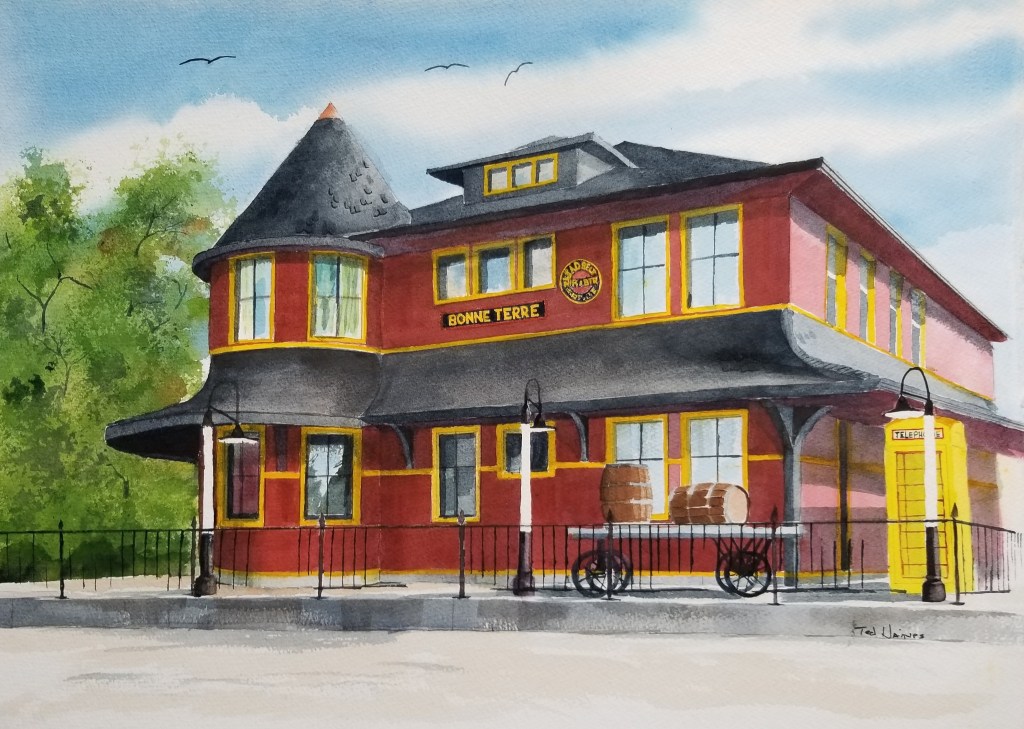
Railway Depot
The Bonne Terre mine, developed by the St. Joseph Company, was accompanied by an opening adjacent mine to the north operated by the Desloge Mining Company. Originally owned by the Pratte family, the land was sold to Firman Desloge following the success of the Bonne Terre mine. Promptly, Desloge started mining operations by constructing a mill, furnace, and sinking several shafts. This mine was situated across the road from the St. Joseph property, and the road became known as Division Street (now Benham Street) to signify the distinct properties of the two mining ventures.
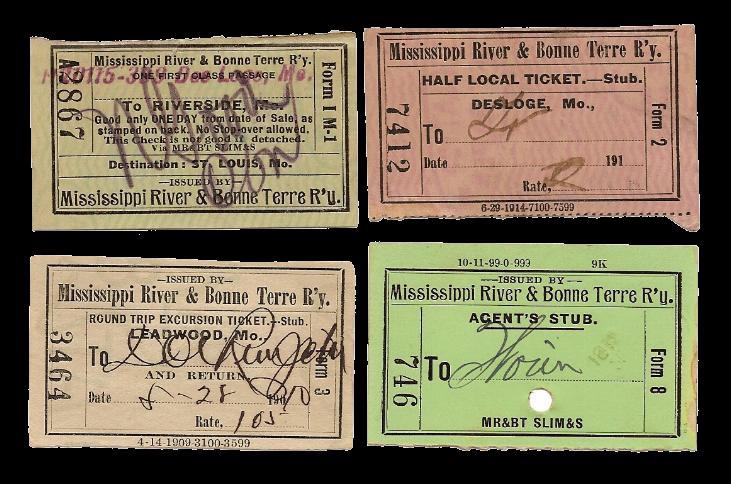
During these late 1800s, the booming mining industry in the town of Bonne Terre was faced with a transportation challenge. The St. Joseph Company and the Desloge Mining Company, both operating successful mines in the area, struggled with the lack of direct rail connections, which hampered their operations. To overcome this obstacle, the two companies decided to join forces and combine their capital to construct a narrow gauge railway. This innovative solution involved laying tracks from Bonne Terre to the nearby town of Summit, where they could connect to the Iron Mountain Railroad.
The construction of the railway was no easy feat. It required meticulous planning, coordination, and hard work. The tracks were carefully laid out, running adjacent to the mining mills and through the rugged terrain of the region. Despite the challenges, the vision for improved transportation facilities kept the project moving forward.
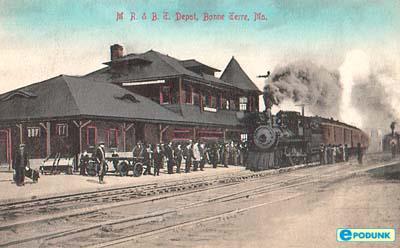
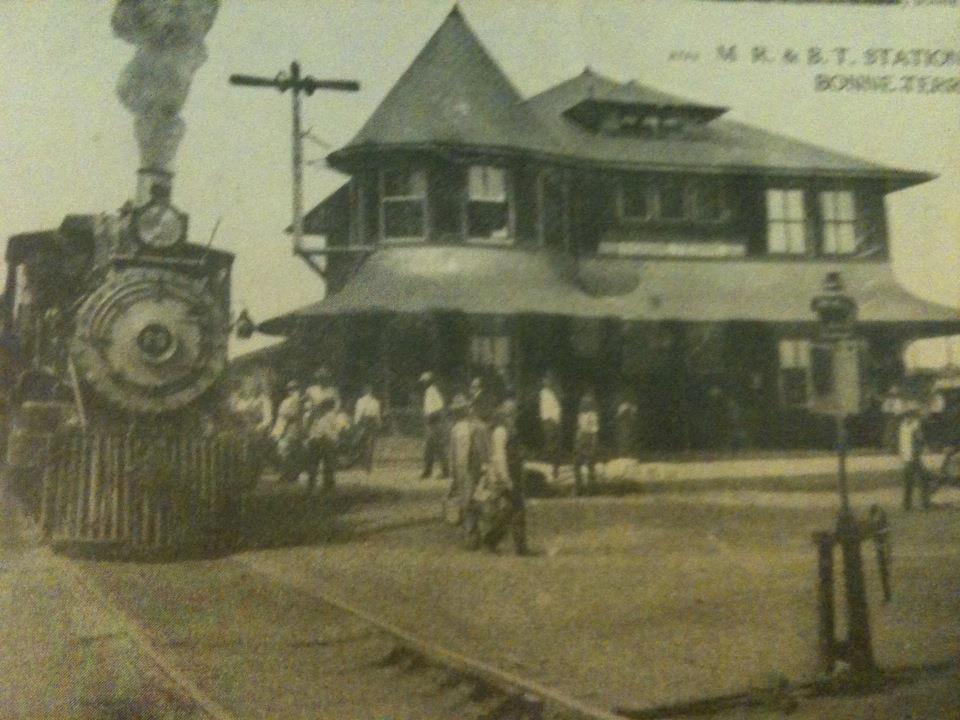
After months of dedicated effort, in January of 1880, the St. Joe and Desloge Railroad was finally completed. The new railway revolutionized the transportation of ore from the mines to the Iron Mountain Railroad. It not only alleviated the transportation problems faced by the mining companies but also provided a more efficient means of shipping their products.
The St. Joe and Desloge Railroad proved to be a profitable venture for both companies, opening up new opportunities for growth and expansion. It became an integral part of the region’s history, symbolizing the power of collaboration and innovation in overcoming challenges. As the trains rumbled along the tracks, transporting valuable cargo and connecting the mining operations with the wider world, the railroad brought a sense of progress and prosperity to the town of Bonne Terre, leaving a lasting mark on its history.


 Visit Bonne Terre